When choosing a saddle, it’s easy to focus on what you can see.
The style. The seat. The leather. The colour.
But the most important part of the saddle is completely hidden.
It’s called the tree, and it is the single biggest factor in determining whether a saddle is fundamentally suited to your horse.
What is the tree?
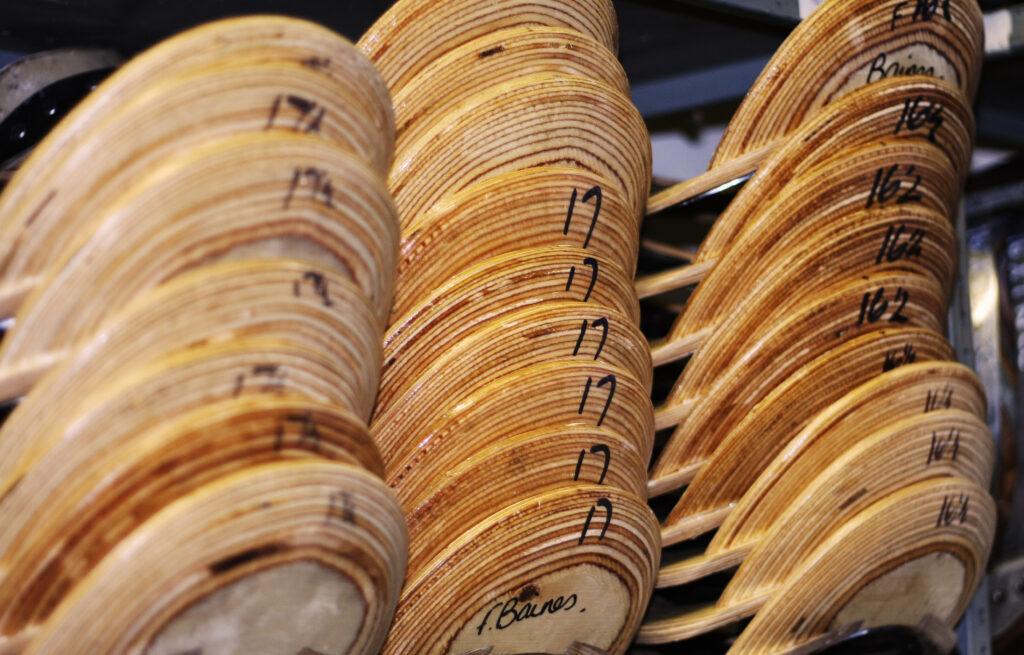
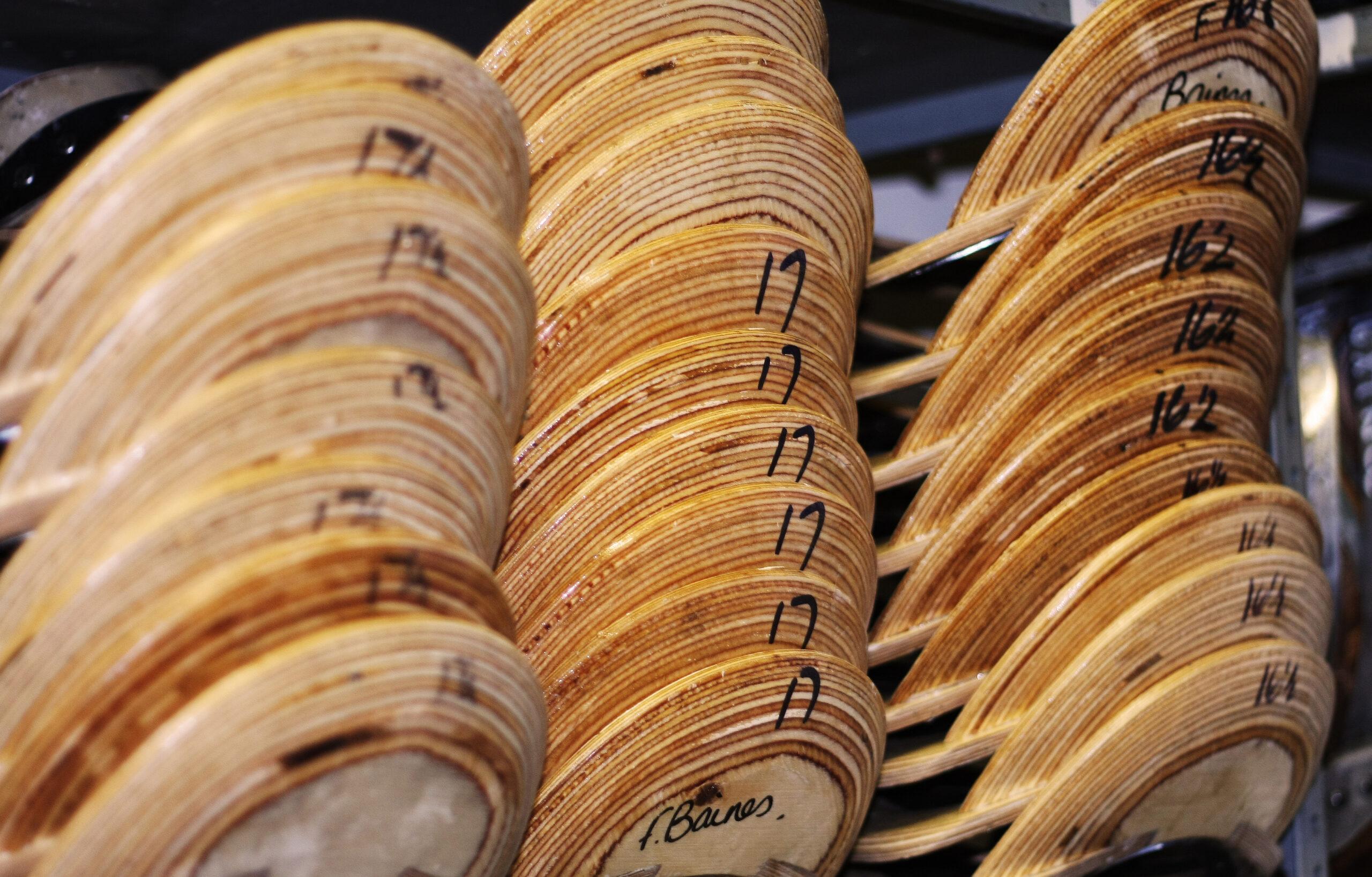
The tree is the structural framework hidden inside every saddle.
Everything else – from the panels and flocking to the leather, seat and flaps – is built around it. While aspects of a saddle’s fit can be adjusted, the underlying shape of the tree cannot.
This is why experienced saddle fitters always start with the horse.
The first question should never be:
“Which saddle do you like?”
It should be:
“Which tree fits your horse?”
Finding the right tree is the foundation of every successful saddle fit. Once that’s right, the saddle fitter can then focus on creating a saddle that works just as beautifully for the rider. From flap lengths to suit different leg lengths, to monoflap or twin flap designs, knee block styles and positions, seat sizes and a wide range of bespoke options, every Frank Baines saddle can be tailored to the unique partnership between horse and rider.
Why does the tree matter so much?
Every horse has its own unique conformation.
Some have higher, narrow withers. Others have lower, broader withers. Some have relatively straight backs, while others have considerably more curve through their topline.
The job of the tree is to mirror the horse’s natural back profile as closely as possible.
When it does, the saddle can sit in balance and distribute the rider’s weight evenly across the large muscles either side of the spine.
When it doesn’t, pressure is no longer distributed as it should.
What happens if the tree is the wrong shape?
If the tree is too straight for the horse’s back, the saddle may bridge.
Bridging occurs when the saddle makes contact at the front and rear but leaves a gap through the middle. Instead of the rider’s weight being spread evenly across the horse’s back, pressure becomes concentrated into smaller areas.
If the tree is too curved, the saddle may rock.
Rather than sitting quietly and consistently on the horse’s back, the saddle pivots forwards and backwards as the horse moves. This repeated movement creates instability and concentrates pressure over specific areas.
Neither situation is simply a question of performance. A poorly fitting saddle can become a genuine welfare concern, creating pressure and discomfort that can affect the way a horse moves and lead to pain, compensatory movement patterns and lameness.
Why is even pressure distribution so important?
A horse’s back is designed to carry weight across the muscles that run either side of the spine.
A correctly fitting tree allows the saddle to spread the rider’s weight evenly across these muscles, helping the horse move comfortably and efficiently. When pressure becomes concentrated into smaller areas, however, discomfort can change the way the horse uses its body.
The horse may find it more difficult to:
- lift through the back
- swing freely through the shoulder
- engage the hindquarters
- work comfortably into the contact
Horses are incredibly generous animals and don’t always make discomfort obvious. Some will continue working while subtly changing the way they move to avoid pressure or pain. Over time, those compensatory patterns can place additional strain elsewhere in the body, potentially leading to muscle soreness, asymmetry, changes in behaviour, reduced performance and, in more significant or prolonged cases, lameness.
That’s why correct saddle fit isn’t simply about helping a horse perform better. It’s fundamental to their comfort, freedom of movement and long-term welfare.
Can a saddle be adjusted as a horse changes shape?
Horses rarely stay exactly the same shape throughout their lives.
They gain and lose condition, develop muscle through correct work, lose muscle during periods of rest and continue to mature as they grow. Their weight can also fluctuate significantly from season to season.
These changes are one of the reasons why regular saddle checks are so important.
Many of these changes can be accommodated by adjusting the flocking, allowing a qualified saddle fitter to fine-tune the fit as the horse changes.
However, flocking cannot change the underlying shape of the tree.
Likewise, changing the width at the front of a saddle changes only one aspect of the fit. It does not alter the overall profile of the tree as it follows the horse’s back.
For that reason, selecting the correct tree for your horse remains the foundation of good saddle fitting. With that foundation in place, the saddle fitter can focus on refining every other aspect of the saddle to suit both horse and rider, creating a partnership that allows each to perform at their best.